Digital Connection vs. Real Connection: How to Nurture Relationships That Heal (Not Just "Like")
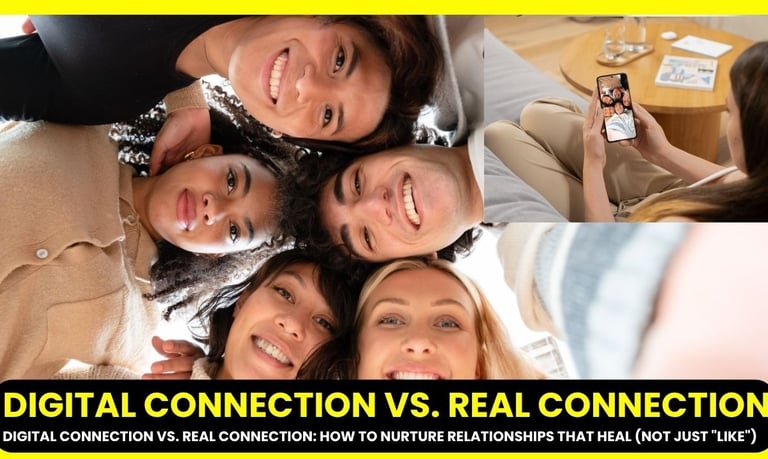
Hello, incredible woman! I'm Elis, from Focus on Emotional Well-being, and I'm here to talk about something that touches both soul and body: the way we connect. In a world where digital interaction dominates, many of us yearn for something deeper, something that truly nourishes our souls and strengthens our resilience.
It's easy to get lost in the illusion that we're super connected. Our screens glow with likes, comments, and an endless stream of messages. But does all this digital activity translate into a genuine sense of belonging and support? Or are we, paradoxically, feeling more alone than ever?
The Illusion of Online Connection: An Invitation to Loneliness
We spend hours scrolling through feeds, following the lives of hundreds of people, and sharing our own carefully curated moments. The temptation is strong: the instant validation of a like, the feeling of "being in the know." However, studies have revealed an uncomfortable truth: excessive social media use can be associated with an increased perception of social isolation and loneliness [1].
It's like eating too much sugar: it gives us a quick energy spike, but leaves us feeling empty and needing even more afterwards. Digital connection, often, is superficial; it lacks the depth and reciprocity that face-to-face interactions offer. There's no warmth of a hug, the nuances of body language, the genuine exchange of glances that only physical presence can provide.
The Cost of Loneliness: A Health Alert
Dr. Robert Waldinger, director of the Harvard Study of Adult Development—the longest study on happiness ever conducted — is categorical: good relationships are the strongest predictor of a long, happy, and healthy life [2]. The opposite is also true: chronic loneliness is a toxic force that undermines our well-being at all levels.
Loneliness isn't just a sad feeling; it has a real biological impact. Research shows that loneliness can lead to increased systemic inflammation, elevate stress hormones such as cortisol, and even compromise the immune system [3]. In other words, when we feel isolated, our bodies also suffer, making us more vulnerable to illness and chronic stress. That's why, at Focus on Emotional Well-being, we always emphasise that social connection is not a luxury, but a vital necessity.
Quality Over Quantity: Identifying and Investing in Relationships That Heal
So, how do we navigate this landscape? The key isn't to completely abandon digital, but rather to rebalance our scales and prioritise quality over quantity in our interactions. It's about identifying and investing in the relationships that truly nourish us, that make us feel seen, heard, and loved.
Here are some strategies for you to start cultivating connections that truly heal:
Prioritise Real-Life Presence: Make a conscious effort to schedule in-person meetings. It could be a quick coffee with a friend, lunch with family, or a walk in the park. Don't underestimate the power of physical presence, even if it's only for a short time. Eye contact, touch, and shared energy are irreplaceable.
Practice Active Listening: When you're with someone, truly be there. Put your phone away. Make eye contact. Listen not just to what the person says, but how they say it. Ask open-ended questions and show genuine interest. Active listening makes the other person feel valued and strengthens the bond between them.
Share Your Vulnerability (Safely): True connection thrives on authenticity. Allow yourself to be vulnerable with the right people – those you trust and can rely on. Sharing your genuine struggles and joys creates a space of trust and deepens bonds, showing that you are human and allowing yourself to be vulnerable, seen, and understood.
Small Gestures, Big Impact: It Doesn't Have to Be Grand. A thoughtful note, a quick text "check-in" to see how they're doing (without expecting an immediate, lengthy reply), a shared laugh over a silly meme that reminded you of them. These small acts of kindness and remembrance reinforce your bonds and show you care.
Set Digital Boundaries: Recognise when excessive screen time is stealing your time and energy for real connections. Create phone-free zones at home, set specific times to check social media, or use apps that limit screen time. Disconnecting from digital is the first step to reconnecting with the real world.
No More Excuses: The Time Is Now
I know life can be hectic, and the idea of taking on more commitments might seem overwhelming. But I invite you to see investing in your real connections not as another task, but as a fundamental investment in your long-term health, happiness, and resilience.
You have the power to make significant changes. Stop blaming circumstances and start being conscious about your thoughts, feelings, and actions when it comes to nurturing your human connections. It's not just about surviving; it's about thriving.
What small step will you take this week to turn a "like" into a real connection? Please share in the comments below, and let's build a community of deeper, more meaningful relationships!
References:
[1] Primack, B. A., Escarce, J. J., & Fine, M. J. (2017). Social Media Use and Perceived Social Isolation in Young Adults in the US: An Association Study. American Journal of Preventive Medicine, 53(1), 1-8.
[2] Waldinger, R. J., & Schulz, M. L. (2023). The Good Life: Lessons from the World's Longest Scientific Study of Happiness. Simon & Schuster.
[3] Cacioppo, J. T., & Cacioppo, S. (2018). Loneliness and Health: Potentiation of Chronic Disease and Disability. Journal of Applied Gerontology, 37(6), 665–671.
BLOG
Focus on Emotional Well-Being: Holistic Wellness for Modern Woman 40+ © 2026
Created by Elis Castro (UK/USA Mental Health Practitioner and Specialist in Emotional Well-Being)
⚠️ Professional Disclaimer
I am a mental health professional specialising in Emotional Well-being, but I am not your doctor. Before starting or stopping any supplementation or medication, you must consult your physician or nutritionist to undergo blood tests. Supplements can interact with medications (such as antidepressants or blood thinners). This information does not replace professional medical advice. Always seek the guidance of a physician or qualified nutritionist prior to beginning supplementation.

