Hormones & Mood: The Unseen Link to Your Emotional Well-being
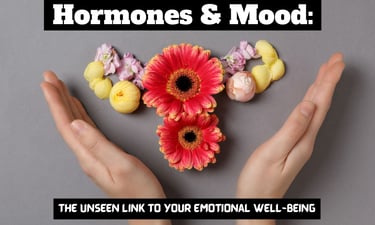

Hormones are the invisible architects of our emotions, influencing mood, resilience, and overall mental health. For women, hormonal fluctuations throughout life menstruation, pregnancy, and menopause can significantly impact emotional balance.
Understanding these biochemical messengers is key to fostering well-being and stability.
The Science Behind Hormones and Mood
Hormones act as neurotransmitter regulators, shaping how we feel, react, and process emotions. Here are the key players:
Serotonin – The Happiness Hormone
Regulates mood, sleep, and appetite. Low levels are linked to depression and anxiety.Dopamine – The Motivation Hormone
Drives pleasure, motivation, and reward-seeking behavior. Imbalances can contribute to mood disorders.Cortisol – The Stress Hormone
Helps the body respond to stress, but chronic high levels can lead to anxiety and emotional instability.Estrogen & Progesterone – The Female Hormones
Fluctuate throughout the menstrual cycle, pregnancy, and menopause, affecting mood stability and cognitive function.Oxytocin – The Bonding Hormone
Enhances trust, social connection, and emotional resilience.Thyroid Hormones – The Energy Regulators
Control metabolism and energy levels. Imbalances can lead to fatigue, mood swings, and depression.
Strategies for Hormonal Balance and Emotional Well-being
While hormonal fluctuations are natural, lifestyle choices can help regulate them:
Nutrition for Hormonal Health – A diet rich in omega-3s, fiber, and antioxidants supports neurotransmitter function.
Exercise and Movement – Regular physical activity boosts serotonin and dopamine levels.
Mindfulness and Stress Management – Meditation and deep breathing reduce cortisol spikes.
Quality Sleep – Sleep regulates hormonal cycles and emotional stability.
Social Connection – Strong relationships increase oxytocin and emotional resilience.
Conclusion
Hormones are powerful forces shaping emotional well-being. By understanding their influence and adopting science-backed strategies, women can cultivate balance, resilience, and mental health.
BLOG
Focus on Emotional Well-Being: Holistic Wellness for Modern Woman 40+ © 2026
Created by Elis Castro (UK/USA Mental Health Practitioner and Specialist in Emotional Well-Being)
⚠️ Professional Disclaimer
I am a mental health professional specialising in Emotional Well-being, but I am not your doctor. Before starting or stopping any supplementation or medication, you must consult your physician or nutritionist to undergo blood tests. Supplements can interact with medications (such as antidepressants or blood thinners). This information does not replace professional medical advice. Always seek the guidance of a physician or qualified nutritionist prior to beginning supplementation.

